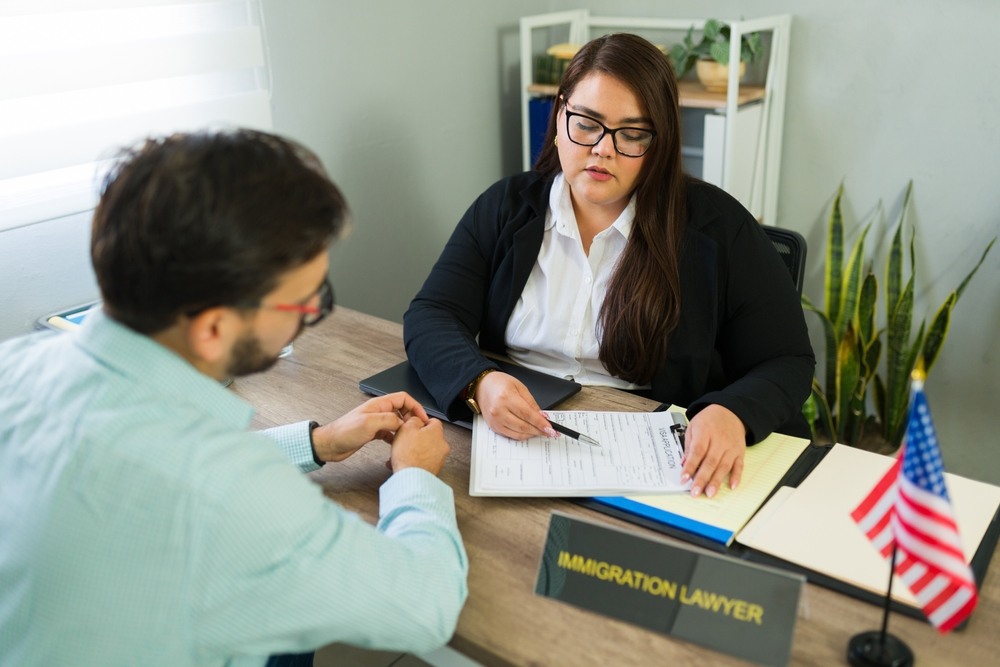
Understanding the Complexity of the Family-Based Visa Process
Applying for a family-based visa can feel exciting because it represents the possibility of being reunited with the people who matter most in your life. At the same time, the immigration process involves detailed forms, strict eligibility requirements, and timelines that must be carefully followed. When you begin the application process, you must submit accurate information about your relationship with the sponsoring family member, provide supporting documentation, and comply with immigration laws that can change over time. Even small mistakes in paperwork, missing documents, or unclear answers can lead to delays or requests for additional evidence. Because immigration authorities carefully review each application, you benefit from understanding the expectations before you submit anything. When you approach the process with the right preparation and knowledge, you reduce the chances of complications that could slow down your case. Legal guidance helps you better understand what immigration officials require and how to present your case in a clear, organized way from the beginning.
Avoiding Common Mistakes That Can Delay Your Application
One of the biggest challenges people face when applying for a family-based visa is avoiding errors that may cause processing delays. Immigration forms often ask for detailed information about family relationships, prior immigration history, and personal background. If your answers are incomplete or inconsistent, immigration officers may request additional documentation or clarification. These requests can add months to your case timeline. Another common issue arises when applicants submit insufficient evidence to prove the family relationship that qualifies them for the visa. Documents such as birth certificates, marriage records, financial information, and proof of shared family connections may all be required, depending on the visa category. Preparing the correct materials the first time is essential because resubmitting or correcting information later can significantly extend your wait. Legal guidance helps you identify what documentation strengthens your application and ensures that everything submitted aligns with immigration requirements, reducing the risk of delays and unnecessary complications.
Preparing Strong Documentation to Support Your Case
When applying for a family-based visa, the strength of your documentation plays a major role in how immigration officers evaluate your case. You must clearly show that the relationship between you and your sponsoring family member meets the legal requirements established under immigration law. For example, spouses must provide evidence of a genuine marriage, while parents, children, and siblings must provide official records demonstrating the family connection. In some cases, additional documentation may be required to demonstrate financial sponsorship or to confirm that the sponsor can support the applicant upon arrival in the United States. Preparing this documentation properly can feel overwhelming if you are unfamiliar with what immigration authorities expect. Legal guidance helps you organize your records and present them in a way that clearly supports your eligibility. When your documents are complete and well-prepared, immigration officers can review your case more efficiently, which may reduce the chances of requests for further evidence or unnecessary delays.
Responding to Requests and Addressing Complications
During the family-based visa process, immigration authorities sometimes issue requests for additional information if they need clarification about certain parts of your application. These requests may ask for more documentation, explanations about previous immigration filings, or confirmation of financial sponsorship requirements. Responding correctly and within the required timeframe is critical to keeping your case moving forward. Without clear guidance, it can be difficult to understand exactly what the immigration office is requesting or how to respond effectively. In some cases, complications may arise due to prior visa denials, travel history, or other immigration concerns that require careful attention. Legal guidance provides support in these situations so you can respond with appropriate documentation and explanations. Having a professional review your response can help ensure that your submission addresses the request clearly and strengthens your case rather than creating additional questions that could slow the process.
Getting Support During an Important Family Immigration Journey
Reuniting with family members through a visa petition is one of the most meaningful goals in the immigration process. Because of what is at stake, preparing your application carefully and understanding each step of the process can significantly improve your experience. When you receive legal guidance during the family-based visa process, you gain a clearer understanding of what immigration officers expect, how to present your documentation effectively, and how to respond if questions arise during the review of your case. This support can help reduce stress and allow you to move forward with greater confidence as your application progresses. Immigration procedures often require patience and careful attention to detail, and having experienced guidance during this time can help you stay on track toward your goal of reuniting with loved ones in the United States. Contact us today for experienced help that can make a meaningful difference during this critical stage of your case.