
Why Family Visa Delays Can Create Serious Problems
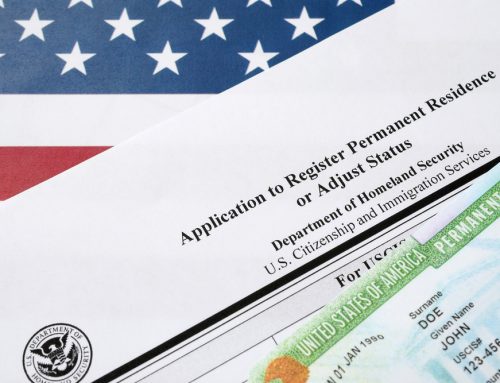
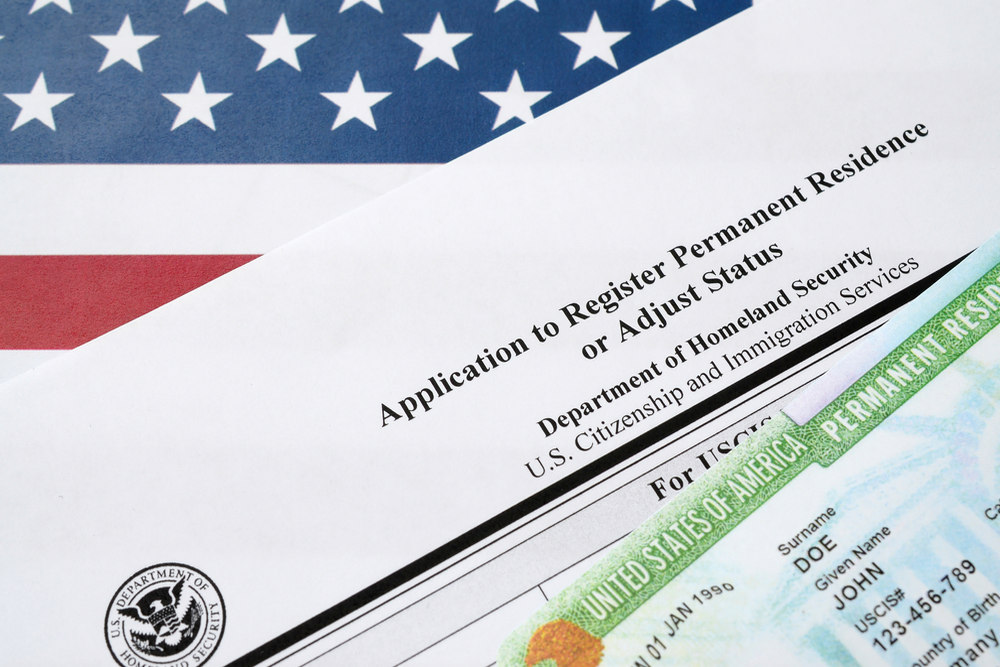
When you are waiting for a family-based visa, every month of uncertainty can affect your plans, relationships, and ability to reunite with the people you love. Family immigration cases can take time because applications often pass through multiple government agencies and require background checks, document reviews, interviews, and other procedures. However, a delay can become especially concerning when your case seems to have stalled, you receive inconsistent information, or an unexpected issue prevents your application from moving forward. You may also face additional complications if a petition has been approved, but the visa process remains stalled, or if your family member is waiting outside the United States for the next stage of the process. While some delays are part of ordinary processing, others may involve missing documentation, requests for additional evidence, administrative issues, or legal concerns that require attention. Understanding why your case has been delayed matters because waiting without identifying the cause may allow a correctable problem to continue. When immigration processing separates your family, legal guidance can help you understand what is happening and what options may be available.
Recognizing When a Delay May Need Additional Attention
Not every family visa delay means that something has gone wrong with your case. Government agencies process large numbers of immigration applications, and processing times can vary by petition type, the agency handling the matter, and other circumstances. However, you may need additional legal assistance when your case has remained pending for an unusually long period, when you receive a request that you do not understand, or when information in your immigration records appears incorrect. You may also encounter problems if a petition is denied, transferred between agencies, placed into administrative processing, or delayed because immigration officials require additional information. If your family member has an approaching age-out issue or another time-sensitive immigration concern, a delay can become even more significant. You should keep copies of every notice, receipt, application, response, and communication connected with your case so that an attorney can review the history accurately. A clear record of what has already happened can make it easier to identify where the delay occurred and determine whether additional action is needed.
How an Immigration Attorney Can Address Visa Problems
When your family visa case does not progress as expected, an immigration attorney can examine the circumstances behind the delay and explain potential legal options. Your attorney may review the original petition, supporting documents, notices from immigration authorities, processing history, and communications connected with your application. If the problem involves missing evidence or an unresolved request, you may need to provide additional documentation or take another procedural step. In other situations, your attorney may determine that the case requires communication with the appropriate government agency or another form of legal action. Depending on the facts, legal representation may also become important if your case involves a denial, an inadmissibility concern, a previous immigration violation, or another issue that could prevent your family member from receiving a visa. The appropriate response depends on where your application is in the process and why it has been delayed. Instead of treating every delay the same way, you can work with an attorney to identify the specific issue affecting your case and understand which legal options may be available under current immigration rules.
Legal Representation Can Be Important When Family Separation Continues
Long family visa delays can affect much more than your immigration paperwork. When you are separated from your spouse, parent, child, or another qualifying relative, the uncertainty can interfere with important decisions about housing, employment, education, travel, and family finances. A prolonged case may also create concerns when circumstances change while you wait. For example, your family situation, employment, address, financial circumstances, or immigration status may change during processing. You may need to determine whether you must report those changes or whether they affect your existing application. Legal representation can help you understand your responsibilities while your case remains pending and prepare appropriate responses when new issues arise. An attorney can also help you evaluate whether a delay appears consistent with ordinary processing or whether circumstances justify further inquiry or legal action. Since family-based immigration involves specific eligibility rules and procedural requirements, having professional guidance can help you avoid assumptions that could create additional delays. Your goal should be to understand your case clearly, respond appropriately to government requests, and take legally available steps when a prolonged delay requires attention.
Get Legal Help When Your Family Visa Case Is Delayed
When your family visa application has remained pending longer than expected, you do not have to remain uncertain about what may be happening with your case. Reviewing your immigration history and identifying the cause of the delay can help you determine whether additional documentation, agency communication, or another legal option is appropriate. At Victor Hernandez Law, you can receive experienced immigration guidance focused on family-based visa matters and the challenges that can arise during the application process. If your family visa has been delayed, you received an unexpected notice, or you are concerned that an unresolved immigration issue may prevent your family from reuniting, contact us today for experienced legal assistance to help you understand your options and take appropriate steps to move your family immigration case forward.